Mother of Pearl Meaning & Properties
Introduction
Hold a piece of mother of pearl up to the light and watch what happens. The surface shifts and shimmers, rolling through soft pinks, seafoam greens, silvery blues, and warm whites, like the inside of a wave caught mid-break. It is mesmerising, and it is entirely natural. That iridescent glow is nacre, the same material that lines the inner shells of oysters, mussels, and abalone. It is not a crystal or a mined gemstone. It is something rarer in a way: a biomineral, built layer by microscopic layer inside a living creature.
Nacre is composed of thin aragonite platelets (a form of calcium carbonate) bonded together with conchiolin, an organic protein. These alternating layers are what create the play of colour, light bouncing between them and splitting into a rainbow through the same physics that colours a soap bubble. Mother of pearl sits at 3.5 to 4.5 on the Mohs hardness scale, softer than most gemstones, which gives it a silky, almost warm feel against the skin.
People have treasured mother of pearl for millennia, drawn to its gentle luminosity and its deep association with nurturing, protection, and the sea. Below, we explore everything you need to know about mother of pearl meaning, its properties, its history, and how to wear and care for it.
Mother of Pearl Meaning & Symbolism
The meaning of mother of pearl is rooted in its very name. It is the "mother" material, the protective shell lining that cradles and nurtures a pearl as it forms. That connection to motherhood, shelter, and unconditional love sits at the heart of everything this stone represents.
Mother of pearl is associated with the heart chakra and, in some traditions, the solar plexus and third eye chakras. Its energy is gentle but encompassing: it soothes emotional turbulence, encourages feelings of comfort and safety, and nurtures the kind of calm that comes from knowing you are loved. If rose quartz is the stone of romantic love, mother of pearl is the stone of the love that holds you together, the quiet, steady warmth of a parent, a home, a place of belonging.
In Polynesian and Maori cultures, mother of pearl (particularly paua shell and black-lipped pearl shell) holds deep spiritual significance. It is used in traditional carvings, jewellery, and ceremonial objects as a symbol of the ocean's wisdom and the ancestors' protection. Pacific Island communities have worn and traded mother of pearl for generations, valuing it as both sacred material and social currency.
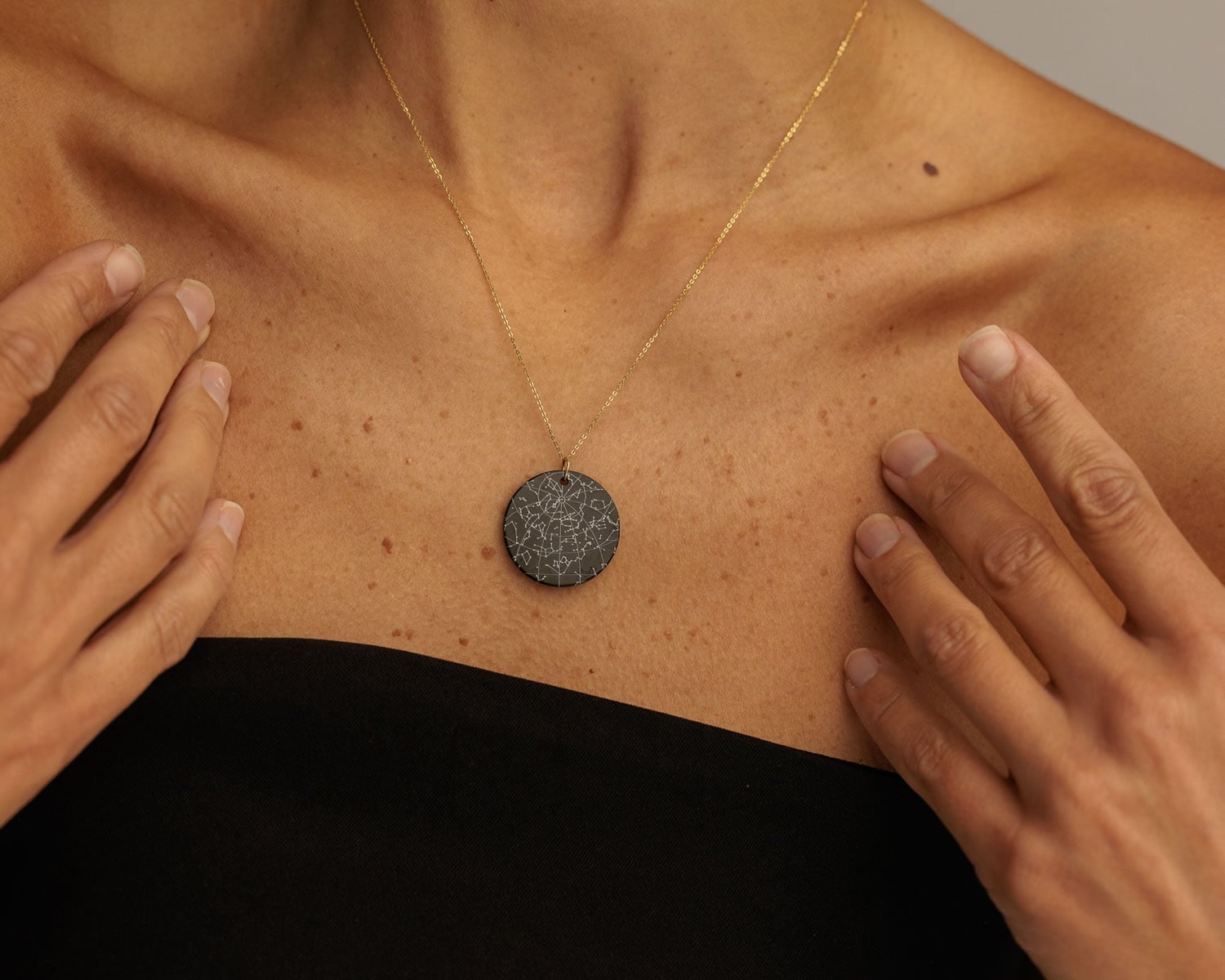
The Night Sky offers two varieties of mother of pearl: the classic white and iridescent form, and black mother of pearl, sourced from black-lipped oysters (Pinctada margaritifera) found primarily around Tahiti. Black mother of pearl carries its own distinct energy: intuition, inner wisdom, and a deeper, more introspective form of protection. Where white mother of pearl nurtures with softness, black mother of pearl nurtures with depth.
Both share a core symbolism of gentle protection, emotional calm, and love that shelters without smothering.
Mother of Pearl Healing Properties
Crystal healing is a complementary practice, not a substitute for medical advice. Mother of pearl is a natural biomineral rather than a crystal, but it has been used in healing and spiritual traditions for centuries.
Physical Healing Properties
Mother of pearl has a long history in traditional medicine, particularly in Chinese and Ayurvedic practices. Powdered nacre (known as "zhen zhu mu" in traditional Chinese medicine) has been used for centuries as a calming remedy, believed to support the heart and liver and promote restful sleep. Practitioners also associate mother of pearl with skin health and cellular renewal, which aligns with the biological function of nacre itself, as it is, after all, a material built through continuous layering and regeneration. Some traditions connect it to the immune system and digestive health, viewing its soothing energy as one that calms internal inflammation just as it calms the emotions.
Emotional Healing Properties
This is where mother of pearl's reputation truly shines. Its nurturing energy makes it a go-to material for anyone moving through grief, loss, or emotional exhaustion. It is said to cradle the heart in the same way a shell cradles a pearl, offering protection while still allowing space to feel, process, and heal. Mother of pearl encourages emotional honesty without harshness. It softens the edges of stress and anxiety, helping you return to a place of equilibrium. For those navigating the complexities of parenthood, caregiving, or simply holding space for others, it serves as a quiet reminder to nurture yourself as well.
Spiritual Healing Properties
Spiritually, mother of pearl is connected to the ocean's rhythm and the moon's cycles, both of which are ancient symbols of intuition, femininity, and emotional flow. Meditating with mother of pearl is said to enhance intuition and encourage a deeper trust in your own inner wisdom. It invites you to move with life's tides rather than resist them, finding strength in adaptability and grace in change. Black mother of pearl, in particular, is valued for deepening introspective practice and strengthening the connection between the heart and the subconscious mind.
History of Mother of Pearl
The use of mother of pearl reaches back to the very earliest human civilisations, far predating its use in fine jewellery.
Archaeological evidence shows mother of pearl being used in Mesopotamia as early as 3000 BC. The famous Royal Standard of Ur, discovered in modern-day Iraq and dating to approximately 2600 BC, features intricate inlay work using mother of pearl alongside lapis lazuli and red limestone. It is one of the most celebrated examples of ancient decorative art, and nacre is at its centre.
In ancient Egypt, mother of pearl was used in decorative objects and personal adornment. The Egyptians associated the material's luminous quality with purity and protection, and it appeared in amulets, inlay work, and cosmetic containers.
Across the Pacific, mother of pearl was far more than decorative. In Polynesian cultures, nacre shell was carved into fish hooks, tools, and ceremonial ornaments. The material held spiritual significance, representing the ocean's bounty and the protection of ancestral spirits. Maori tradition uses paua shell (a type of abalone nacre) in the eyes of carved figures, symbolising life force and spiritual vision.
During the Ottoman Empire and throughout the Islamic world, mother of pearl inlay became an extraordinarily refined art form. Furniture, musical instruments, and architectural details were decorated with thousands of tiny nacre pieces, a craft tradition that continues today in workshops across Turkey, Syria, and Egypt.
In Europe, mother of pearl found perhaps its most ubiquitous role in the button industry. By the 19th century, vast quantities of nacre were harvested to produce shirt buttons, and entire towns in England and the American Midwest were built around the pearl button trade. The word "nacre" itself comes from the Arabic "naqqarah," referring to a small drum, a nod to the shell shapes from which the material was sourced.
How to Use Mother of Pearl
The most natural way to work with mother of pearl is to wear it against your skin, ideally as a pendant or necklace that sits near the heart. This keeps its nurturing energy close to the heart chakra throughout the day, a gentle, constant source of comfort and calm.
Mother of pearl also makes a beautiful addition to a meditation practice. Hold a piece in your palm and focus on its cool, smooth surface. Set an intention around emotional healing, self-nurturing, or connecting with your intuition. Its calming energy can help quiet a busy mind and invite a sense of stillness.
Placing mother of pearl in a bedroom or nursery is a traditional practice for creating a peaceful, loving atmosphere. Its association with motherhood and protection makes it a thoughtful choice for spaces where rest and safety matter most.
Mother of pearl pairs beautifully with other stones. Combine it with rose quartz for amplified loving, nurturing energy. Pair it with lapis lazuli for balancing heart wisdom with intellectual clarity. Or set it alongside black onyx for a combination of gentle nurture and quiet strength.
How to Care for Mother of Pearl Jewelry
Mother of pearl is softer than most gemstones, sitting at 3.5 to 4.5 on the Mohs scale, so it benefits from a little extra attention.
Cleaning: Wipe gently with a soft, damp cloth. Avoid soap where possible, and never use abrasive cleaners or ultrasonic cleaning machines. If needed, a tiny amount of mild soap in lukewarm water will do. Dry thoroughly with a soft cloth afterwards.
Storage: Store mother of pearl pieces separately from harder stones and metals to prevent scratching. A soft pouch or a compartmented jewellery box is ideal.
Avoid: Keep mother of pearl away from perfume, hairspray, and household chemicals, all of which can dull or damage the nacre's surface. Remove your pieces before swimming, as prolonged exposure to chlorinated or salt water can erode the material over time. Put your mother of pearl jewellery on last when getting ready, and take it off first when you get home.
Mother of Pearl Jewelry from The Night Sky
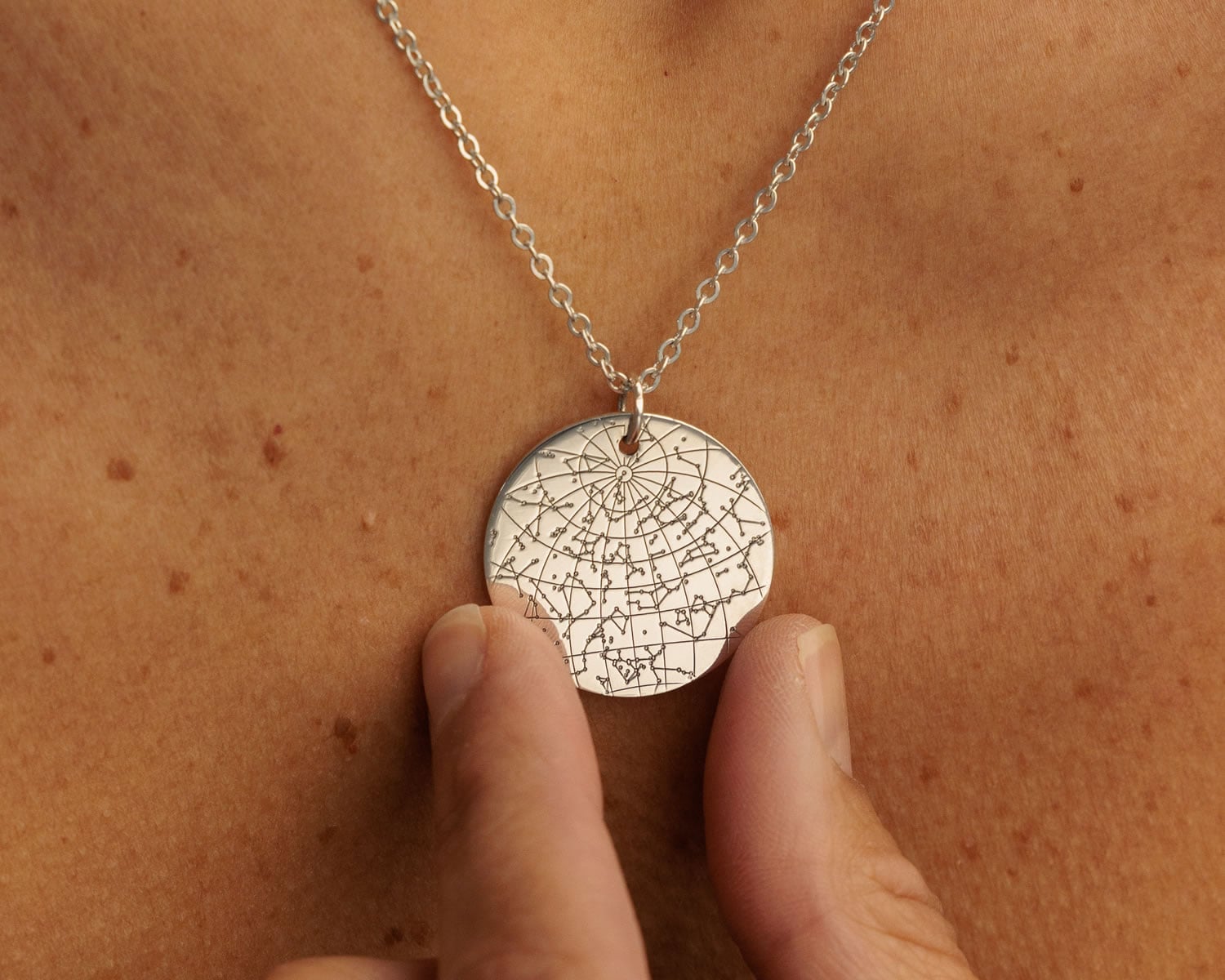
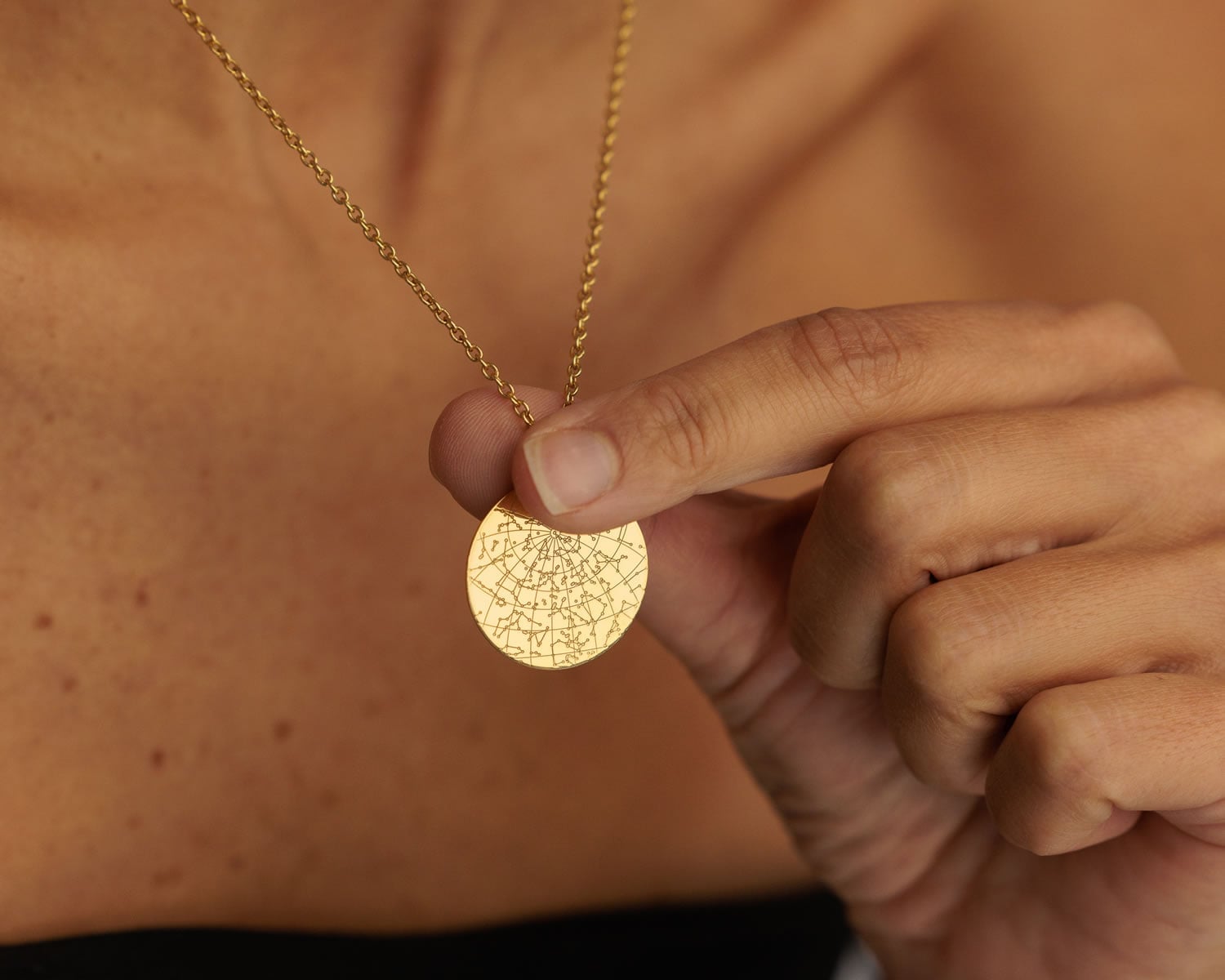
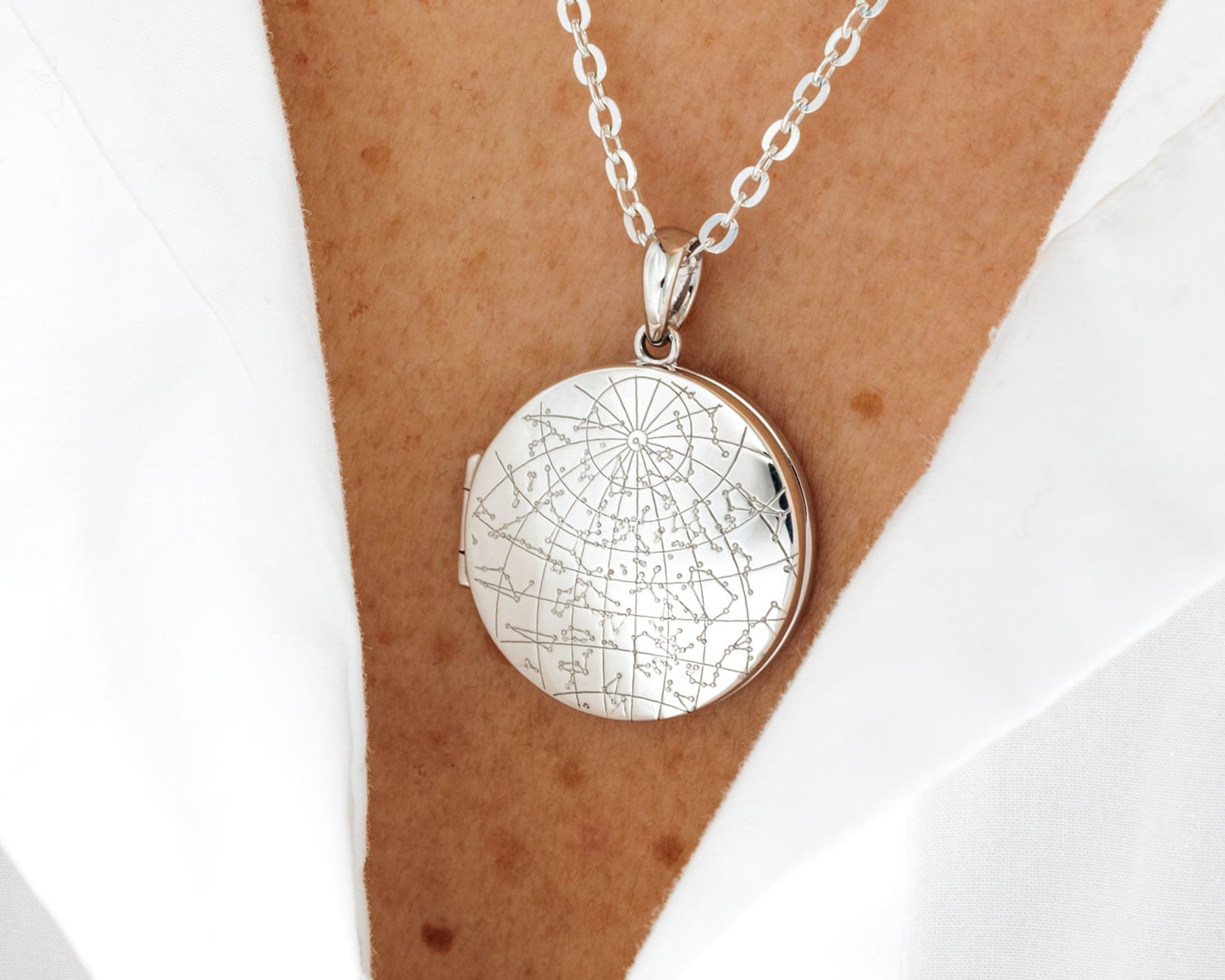
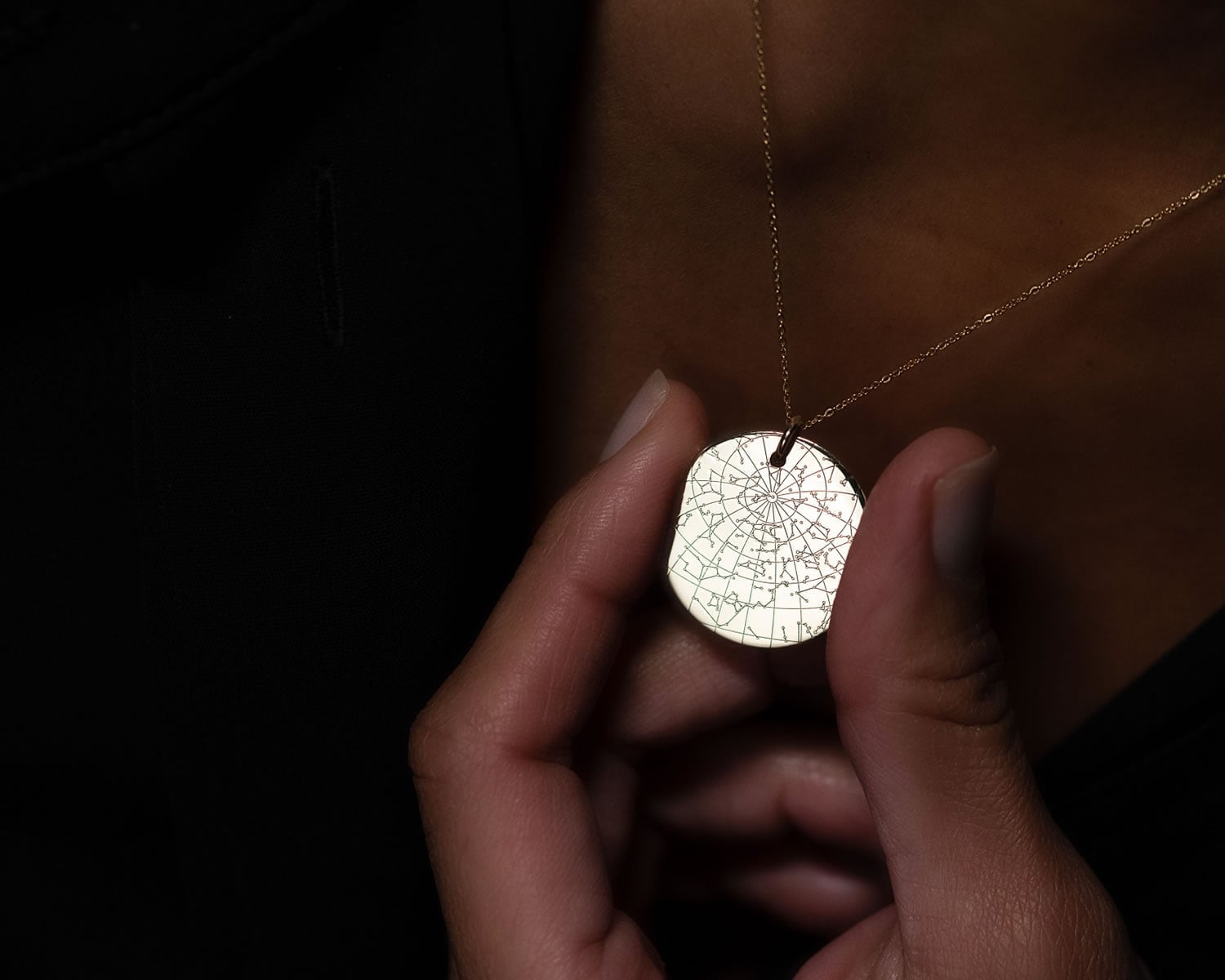
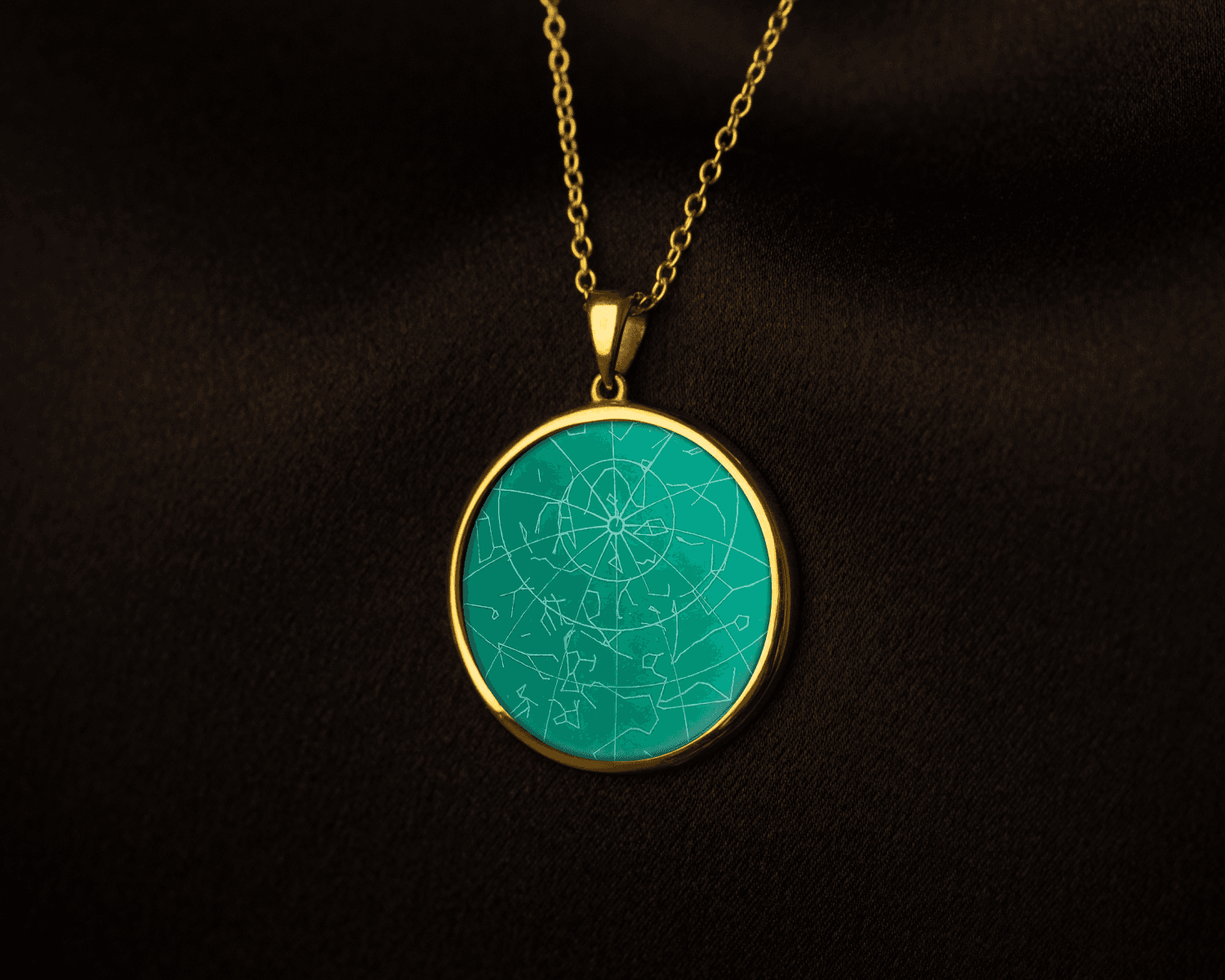
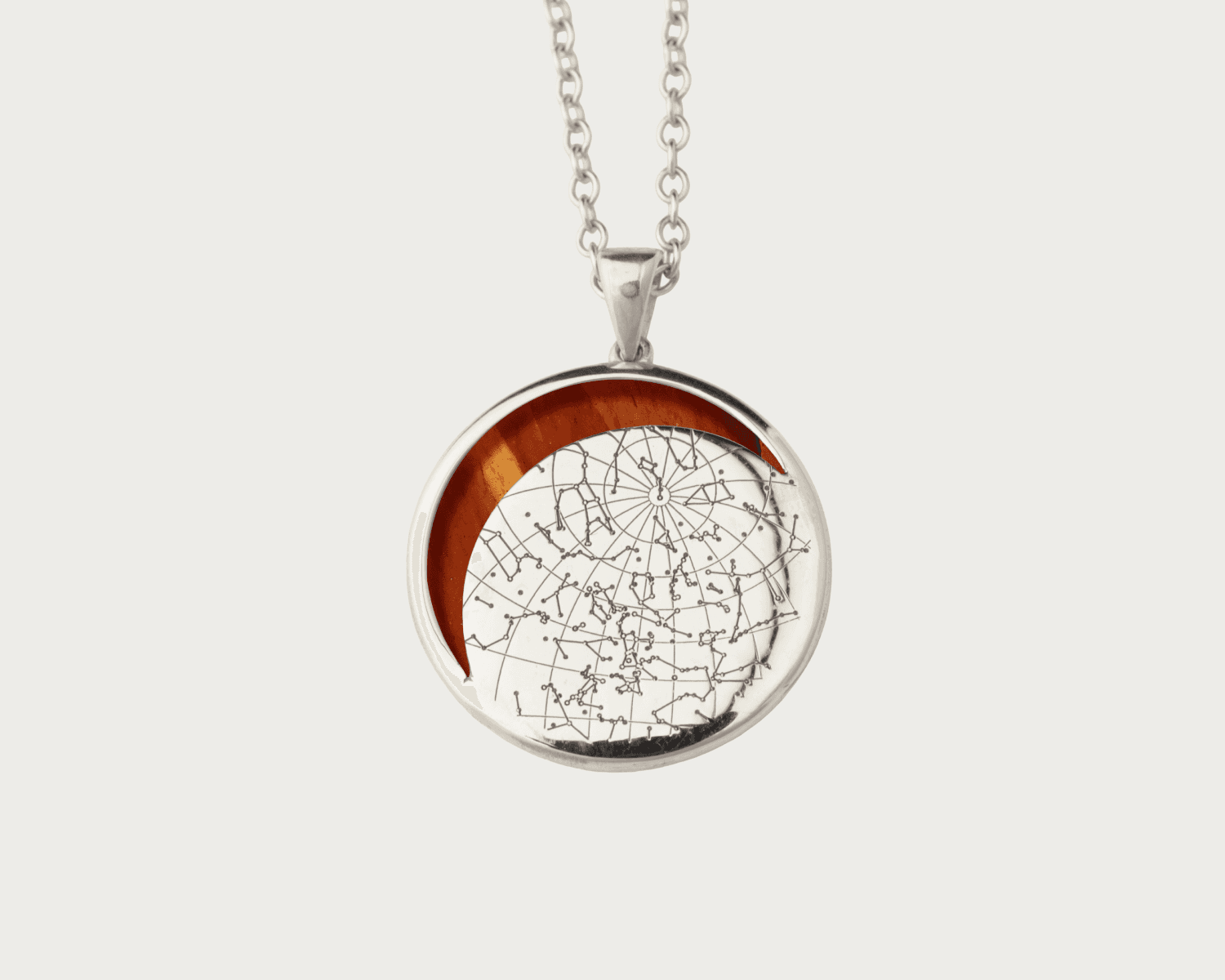
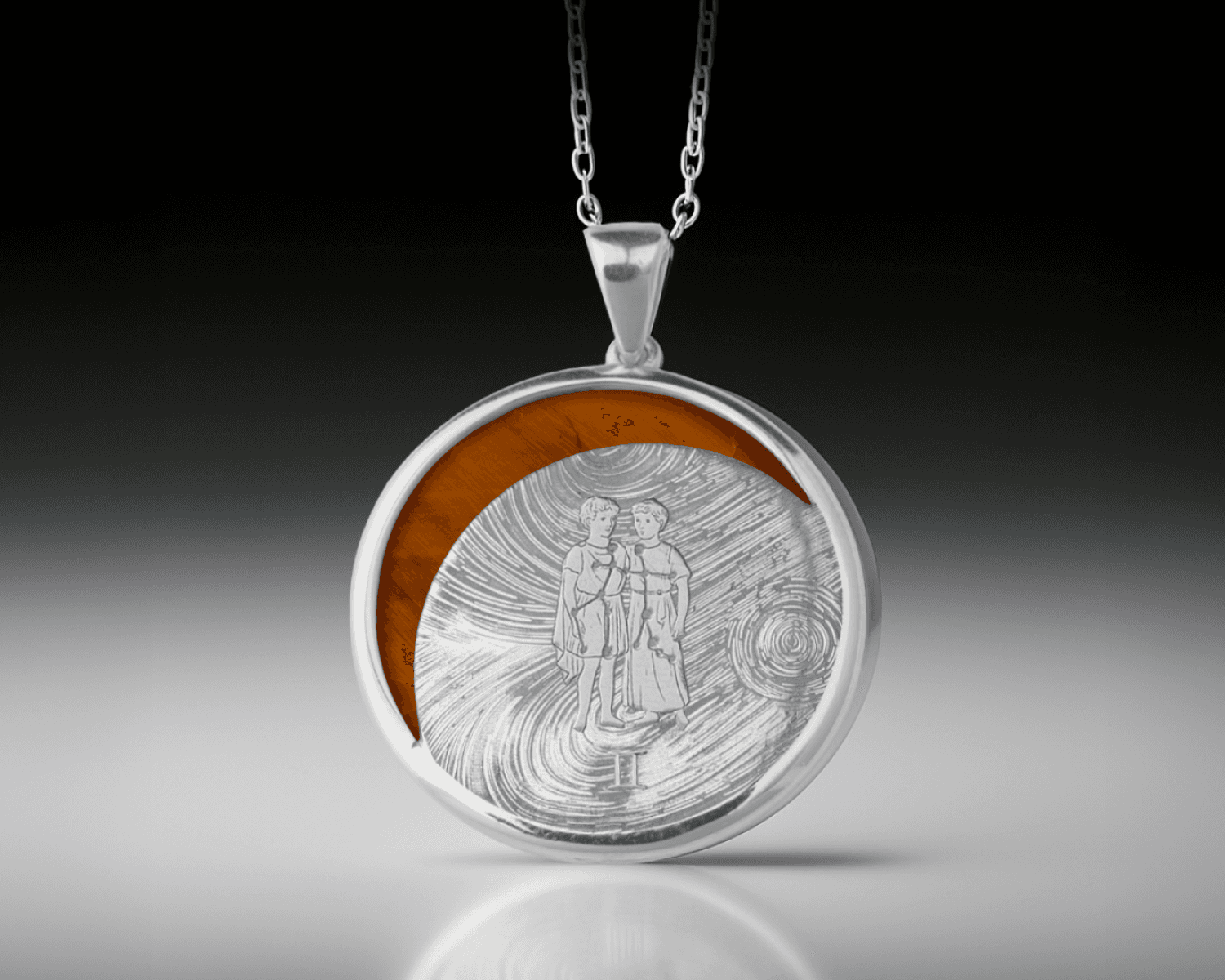
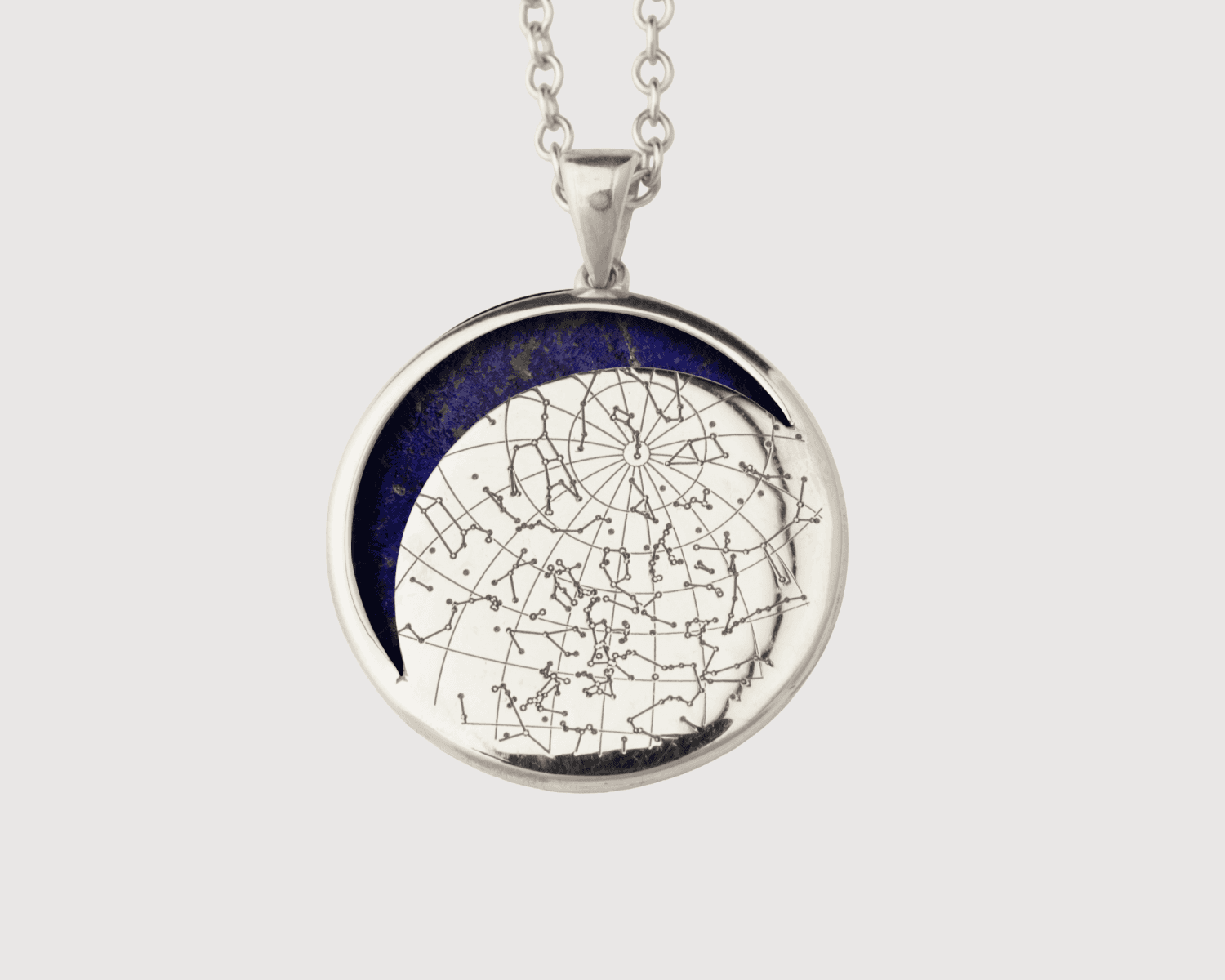
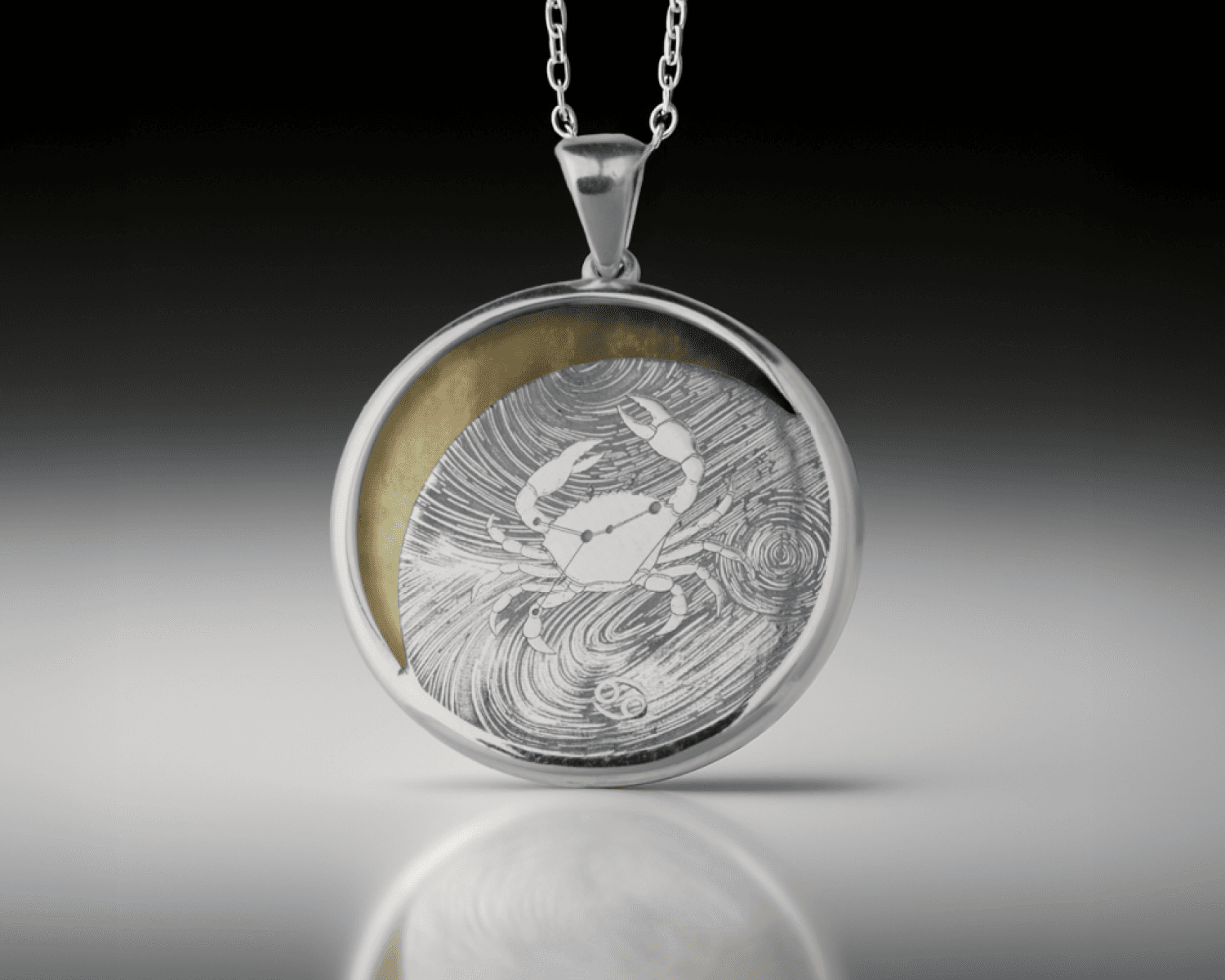
At The Night Sky, we set natural mother of pearl into our patented Eclipse Bezel: a crescent moon cut-out that reveals the luminous, shifting nacre beneath, while the face of the piece is engraved with a real star map or zodiac constellation of your choosing. The result is deeply personal, a moment in the sky captured against the ocean's most nurturing material.
We offer both classic iridescent mother of pearl and black mother of pearl, crafted in sterling silver and 18k gold vermeil using recycled metals. The gentle shimmer of nacre pairs beautifully with both finishes, creating pieces that feel as meaningful as they look.
"I love my necklace of the night sky. I got it as a memorial necklace for my mom. I wear it everyday and it means the world to me. Thank you for giving me a way to always have my mom with me." - Trustpilot Review
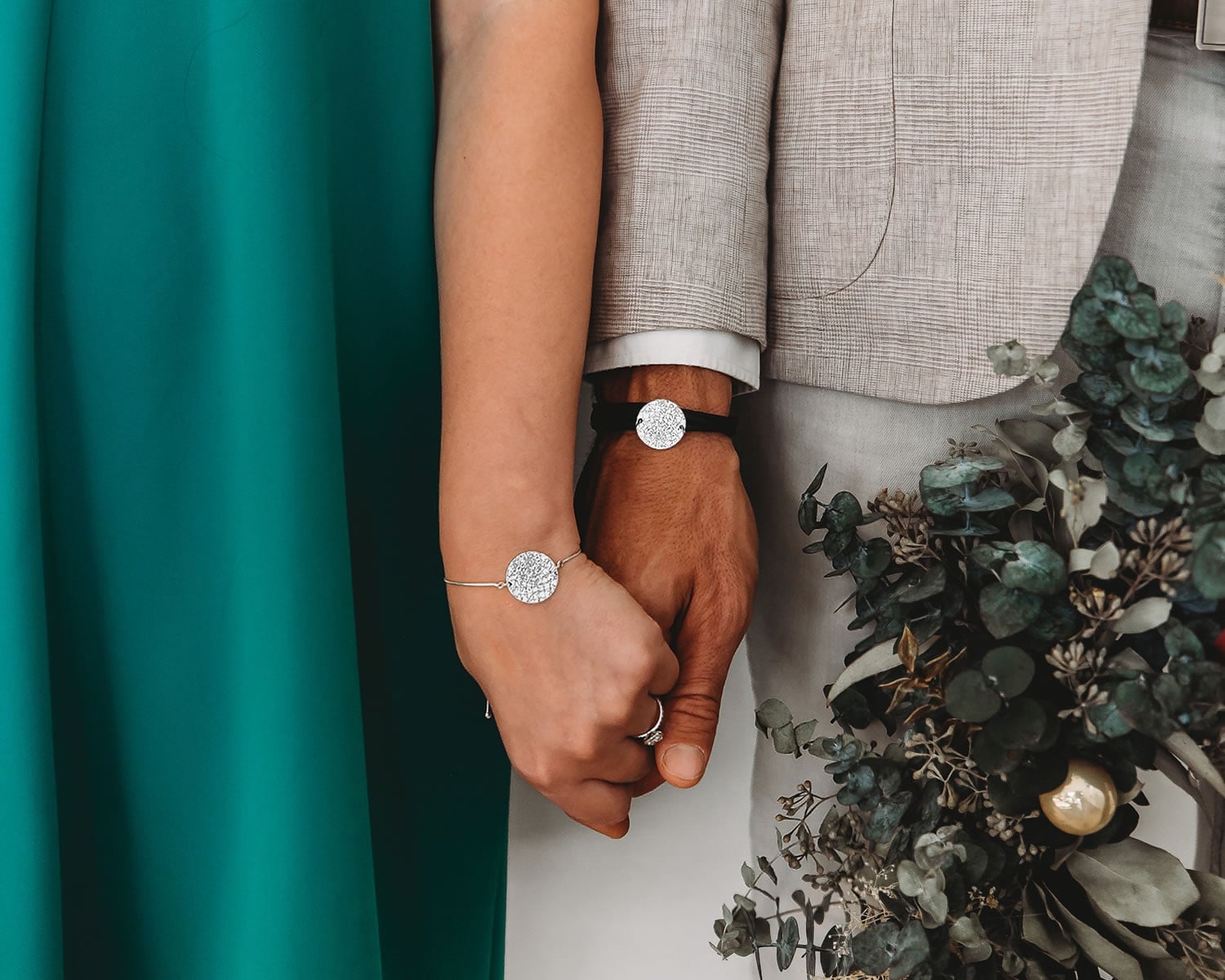
Explore our full mother of pearl jewellery collection, or browse our wider crystal jewellery range to find the piece that speaks to you. Mother of pearl also makes a beautiful choice for Mother's Day gifts, memorial gifts, and anniversary gifts.
Is Mother of Pearl a Birthstone?
Mother of pearl is closely connected to June through its relationship with the pearl, which is June's traditional birthstone. Since nacre is the very material that creates a pearl, mother of pearl is a natural and meaningful alternative for anyone born in June. It is also sometimes associated with April as a luminous, softer alternative to diamond.
Discover our birthstone necklace collection to find a piece that pairs your birth month with the beauty of natural stone.
Frequently Asked Questions
What does mother of pearl mean?
Mother of pearl symbolises nurturing, gentle protection, and unconditional love. Its name reflects its role as the "mother" material that shelters a pearl as it grows inside a shell. It is associated with emotional comfort, calm, and the kind of steady, encompassing love that holds you together during difficult times.
Is mother of pearl a crystal?
No. Mother of pearl is a natural biomineral, not a crystal. It is nacre, the iridescent lining produced by molluscs such as oysters, mussels, and abalone. It is composed of aragonite platelets layered with an organic protein called conchiolin. Despite not being a crystal, it has been used in healing and spiritual traditions for centuries.
What is the difference between mother of pearl and pearl?
A pearl forms when a mollusc coats an irritant (such as a grain of sand) with layers of nacre inside its shell. Mother of pearl is the same nacre material, but it lines the inner surface of the shell itself rather than forming around a foreign object. They share the same composition and iridescence, but mother of pearl is harvested from the shell lining while pearls are individual formations.
What chakra is mother of pearl associated with?
Mother of pearl is primarily associated with the heart chakra, which governs love, compassion, and emotional openness. Some practitioners also connect it to the solar plexus chakra (confidence and personal power) and the third eye chakra (intuition and inner wisdom), particularly when working with black mother of pearl.
How do you cleanse mother of pearl?
Cleanse mother of pearl by wiping it gently with a soft, damp cloth. For energetic cleansing, place it on a selenite plate, pass it through sage or palo santo smoke, or leave it in moonlight overnight. Avoid submerging it in water for long periods, and never use salt water or harsh chemicals, as nacre is a softer, organic material that can be damaged by abrasive treatments.