Turquoise Meaning & Properties
Introduction
You know turquoise the moment you see it. That vivid blue-green, somewhere between a clear desert sky and shallow tropical water, is so distinctive that the colour itself was named after the stone. Hold a piece in your hand and you will notice its waxy smoothness, the cool weight of it, and often those fine veins of brown or black matrix running through it like the cracks in sun-baked earth. It is a stone that looks ancient, because it is.
Turquoise is a hydrated phosphate of copper and aluminium. The copper gives it that iconic blue, while iron and other trace minerals push the tone towards green. The dark veining, called matrix, comes from the host rock where the turquoise formed, and many people prize these natural patterns as much as a clean, unblemished stone. It ranges from deep sky blue to pale green, with the most valued specimens displaying a rich, even robin's-egg blue.
Few gemstones carry as much history as turquoise. It has been mined for at least 8,000 years, making it one of the oldest known gemstones on earth. From Egyptian pharaohs to Native American artisans, turquoise has been treasured across every continent and culture. Below, we explore turquoise meaning, its healing properties, its remarkable history, and how to wear and care for it.
Turquoise Meaning & Symbolism
Turquoise is a stone of balance, calm, and honest communication. Its energy is steady and grounding, the kind that centres you when life feels scattered. If you are searching for a single word to capture turquoise meaning, it would be harmony: harmony between mind and heart, between what you feel and what you say, between yourself and the world around you.
The stone resonates powerfully with the throat chakra, the energy centre governing communication, self-expression, and the courage to speak your truth. Wearing turquoise near the throat is believed to clear blocks in this area, helping you articulate your thoughts with clarity and confidence. It is not about being louder. It is about being more honest.
Turquoise also carries a deep connection to protection. Across cultures, it has been worn as a talisman against harm, negativity, and misfortune. Persian tradition held that turquoise could change colour to warn its wearer of approaching danger. Native American traditions regard turquoise as a sacred stone of protection, healing, and connection to the sky and water. It was, and remains, a stone of profound cultural and spiritual significance in Indigenous communities across the American Southwest.
In Tibetan culture, turquoise was valued as highly as gold and used in prayer beads, amulets, and ceremonial dress. It symbolised the sky and was considered a bridge between heaven and earth.
What makes turquoise so enduringly meaningful is the consistency of its symbolism. Across thousands of years and vastly different cultures, the same themes surface again and again: protection, truth, balance, and a deep sense of connection to something greater.
Turquoise Healing Properties
Crystal healing is a complementary practice, not a substitute for medical advice. That said, turquoise has been used in healing traditions for millennia, and many people find real comfort in working with it. Here is what practitioners and enthusiasts associate with the stone.
Physical Healing Properties
Turquoise has long been linked to the throat and respiratory system. Traditional healers associate it with relief from ailments of the lungs, sinuses, and throat. It is also believed to support the immune system and aid in the absorption of nutrients. Some practitioners connect turquoise to anti-inflammatory benefits and overall physical vitality. In folk medicine traditions across the Middle East and the Americas, turquoise was carried or worn as a general tonic for good health and physical resilience.
Emotional Healing Properties
Emotionally, turquoise is a stabiliser. It is the stone people reach for when they feel overwhelmed, anxious, or unable to express what they are feeling. Its calming energy is believed to ease mood swings, quiet inner turmoil, and restore a sense of emotional equilibrium. Turquoise encourages honest self-reflection without harsh judgement, helping you process difficult feelings with patience and compassion. For those who struggle with public speaking, confrontation, or simply asking for what they need, turquoise is often recommended as a supportive companion.
Spiritual Healing Properties
Spiritually, turquoise is considered a bridge between the physical and spiritual realms. Its throat chakra connection supports authentic spiritual expression, helping you communicate your beliefs and insights with clarity. Meditating with turquoise is said to promote inner calm, enhance intuition, and foster a deeper connection to the natural world. Many practitioners use it during prayer or meditation to feel more grounded and spiritually aligned. Its protective qualities also extend to the spiritual plane, where it is believed to shield against negative energies and psychic disturbance.
History of Turquoise
The history of turquoise stretches further back than almost any other gemstone. The oldest known turquoise mines are in the Sinai Peninsula of Egypt, where the stone was extracted as early as 6000 BC. The ancient Egyptians prized it enormously. Tutankhamun's iconic death mask is inlaid with turquoise alongside lapis lazuli and carnelian, and the stone appeared in royal jewellery, amulets, and burial goods for thousands of years.
The name "turquoise" comes from the French pierre turquoise, meaning "Turkish stone," because the gem first reached Europe through Turkish trade routes. But the stone itself was mined far from Turkey, primarily in Persia (modern-day Iran). Persian turquoise, known for its pure, intense blue without matrix, has been considered the finest in the world for centuries. In Persian culture, turquoise was woven into daily life, adorning mosques, palaces, and personal jewellery. It was believed to bring good fortune and protect the wearer from an unnatural death.
In the Americas, turquoise holds deep cultural significance among Native American peoples, particularly the Navajo, Zuni, Pueblo, and Apache nations. It has been mined in the American Southwest for over a thousand years and remains central to Indigenous art, ceremony, and identity. The stone represents the sky, water, and life itself.
Tibetan culture also treasured turquoise, using it in elaborate headdresses, prayer beads, and ritual objects. Chinese artisans carved it into ornamental pieces for over 3,000 years. Across every civilisation that encountered turquoise, the response was the same: reverence.
How to Use Turquoise
The most natural way to work with turquoise is to wear it. A pendant or necklace that sits near the throat keeps the stone aligned with its primary chakra, supporting clear communication and self-expression throughout your day. This is not just tradition, it is practical: turquoise worn close to the skin is believed to be most effective.
For meditation, hold a turquoise stone in your palm or place it on your throat while lying down. Set an intention around honest expression, inner calm, or spiritual connection. Even a few quiet minutes with turquoise can leave you feeling more centred and clear-headed.
Turquoise pairs beautifully with other crystals. Combine it with lapis lazuli for combined throat and third eye chakra work, enhancing both communication and intuition. Pair it with rose quartz for a balance of honest expression and compassion. For protective grounding, try turquoise alongside black onyx, which anchors turquoise's airy energy with deep, stabilising strength.
Placing turquoise in your living space or workspace is also a lovely way to invite its calming, communicative energy into your environment.
How to Care for Turquoise Jewelry
Turquoise sits at 5 to 6 on the Mohs hardness scale, making it softer than many other gemstones and in need of gentle handling.
Cleaning: Use lukewarm water and a soft, damp cloth. Avoid soap, detergents, and chemical cleaners, as turquoise is porous and can absorb liquids, which may alter its colour over time. Never use ultrasonic or steam cleaners.
Storage: Store turquoise jewellery separately from harder stones like diamonds, sapphires, or quartz, which can scratch its surface. A soft pouch or lined box is ideal.
Avoid: Remove turquoise before swimming, showering, exercising, or applying perfume, sunscreen, or hairspray. Prolonged exposure to direct sunlight and heat can also cause the stone to dry out and lose its colour. Put your turquoise on last when getting ready, and take it off first when you get home.
Turquoise Jewelry from The Night Sky
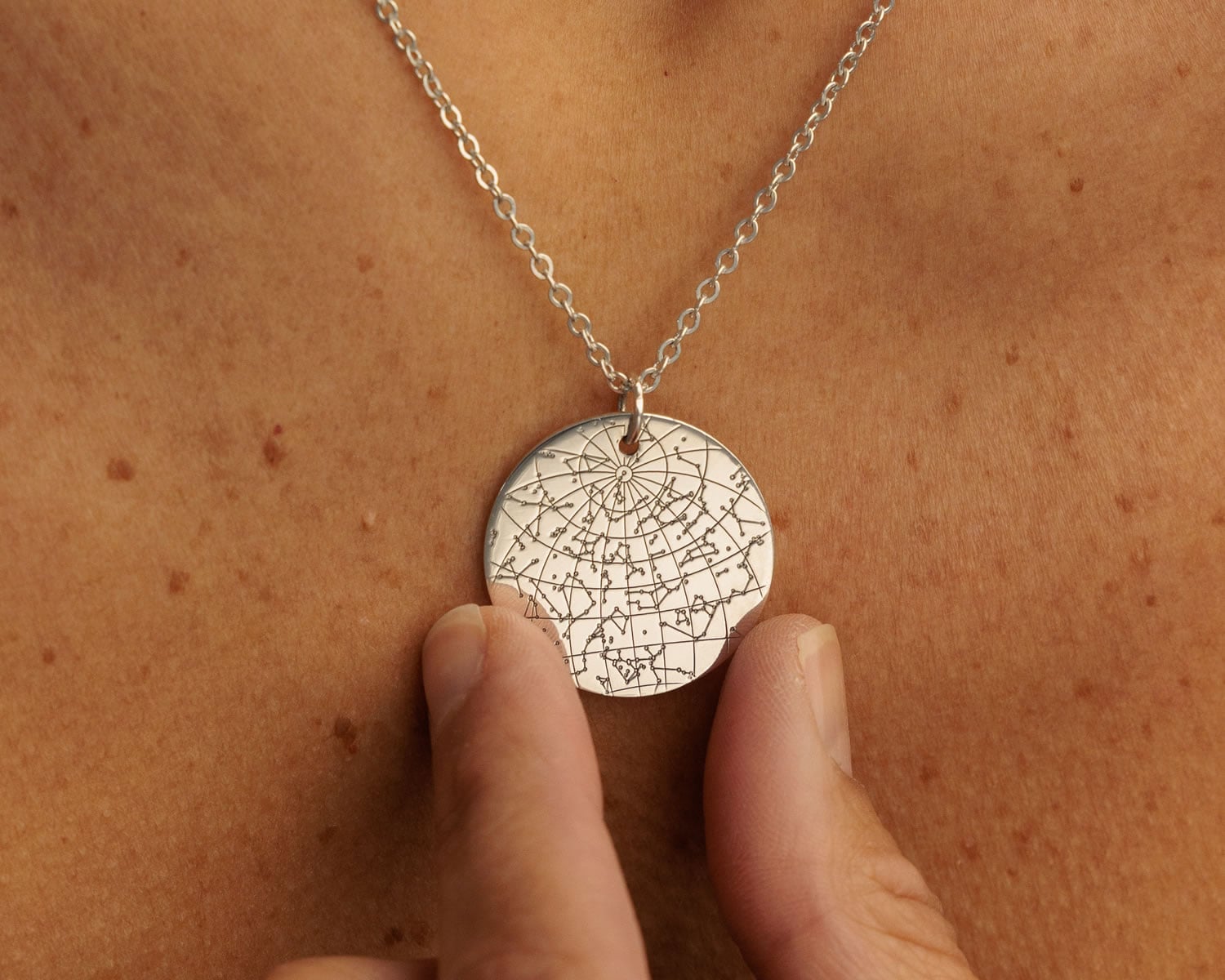
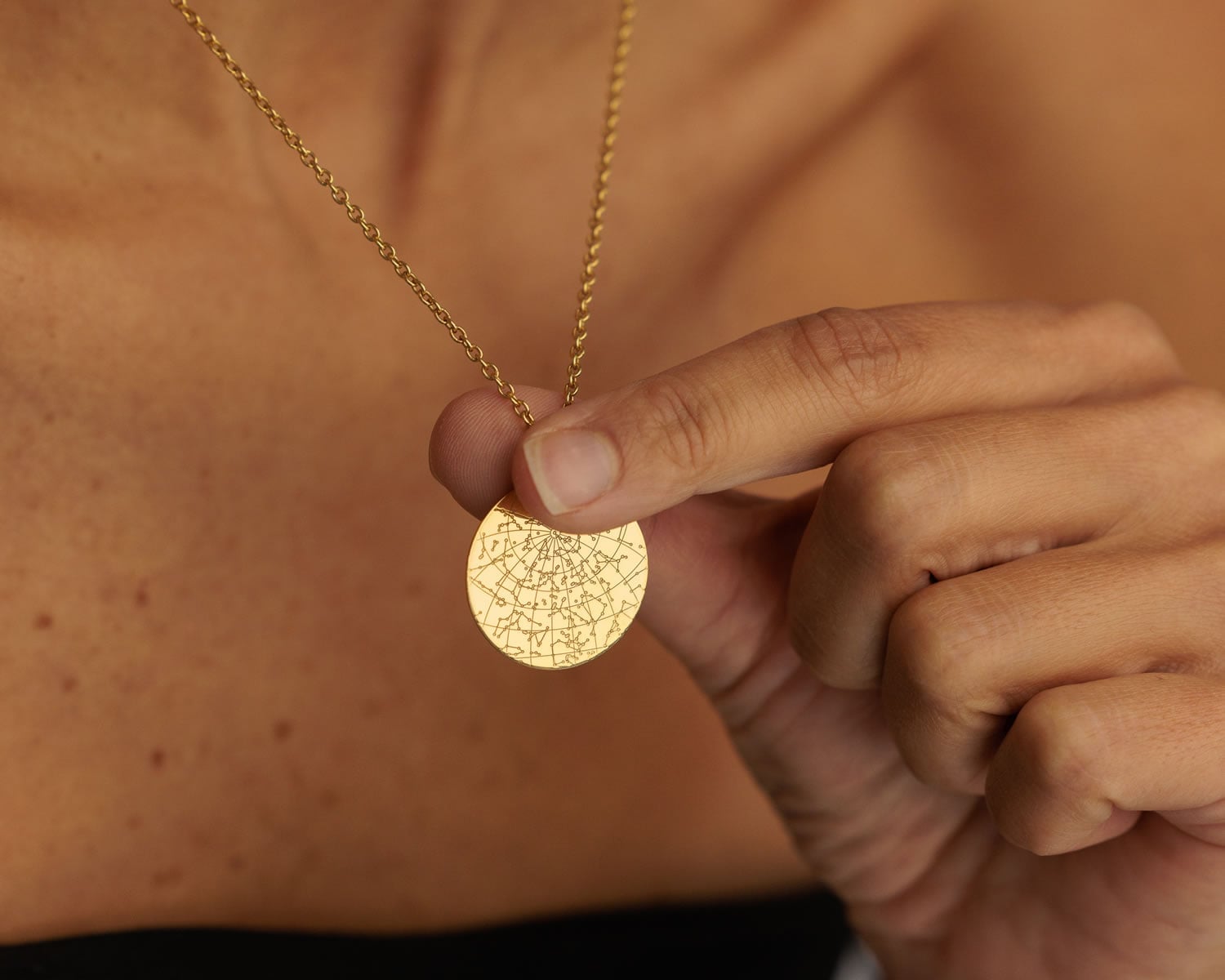
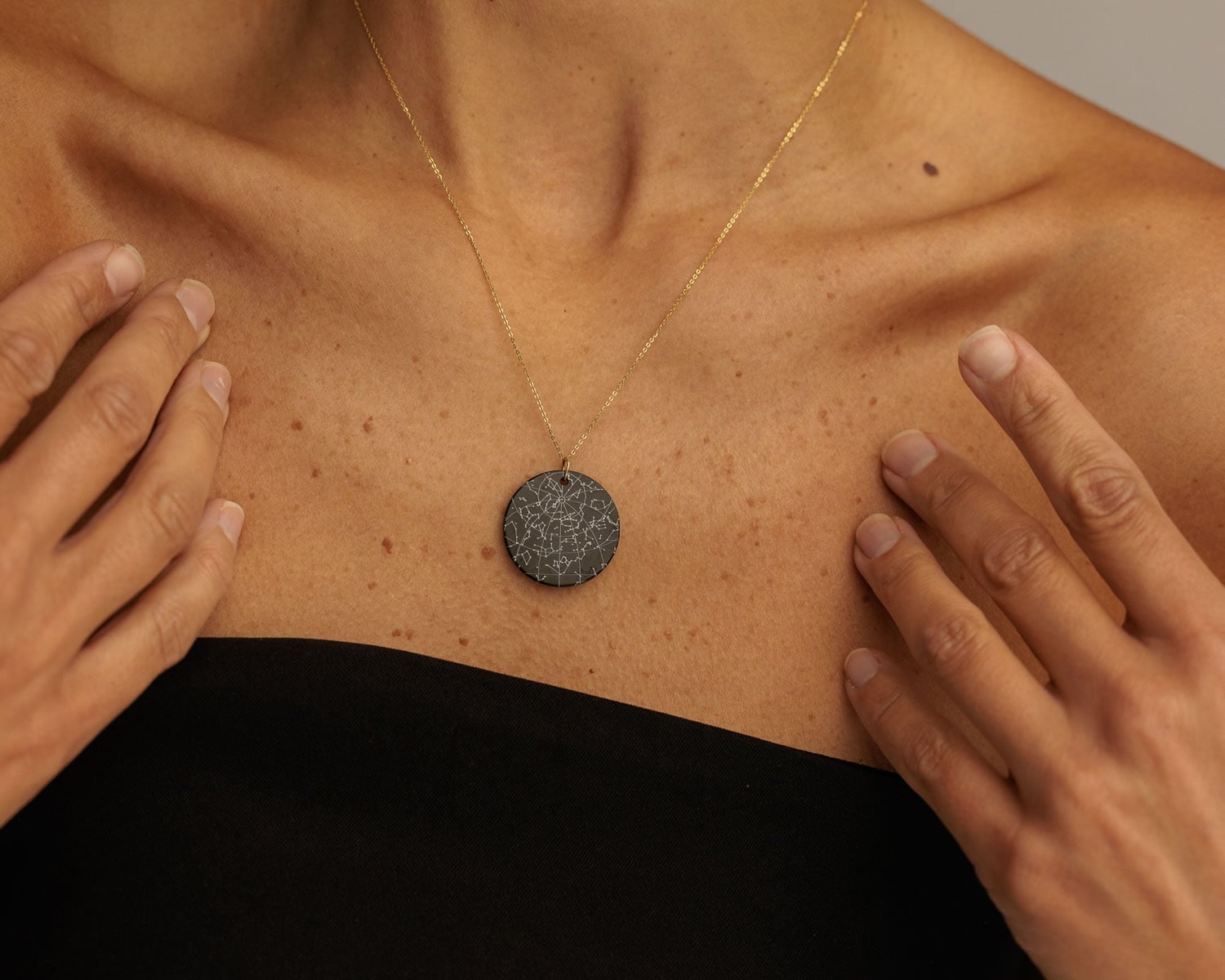
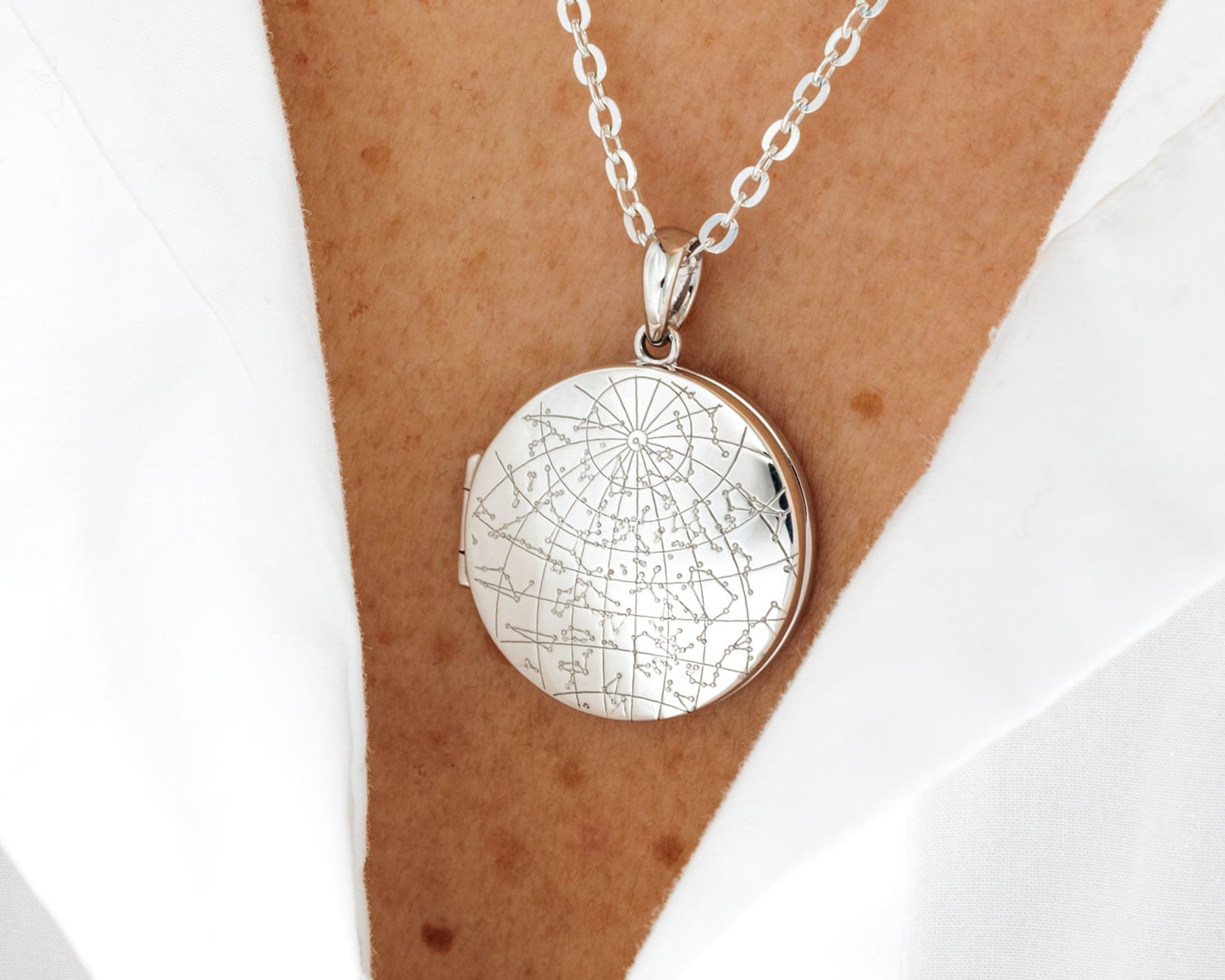
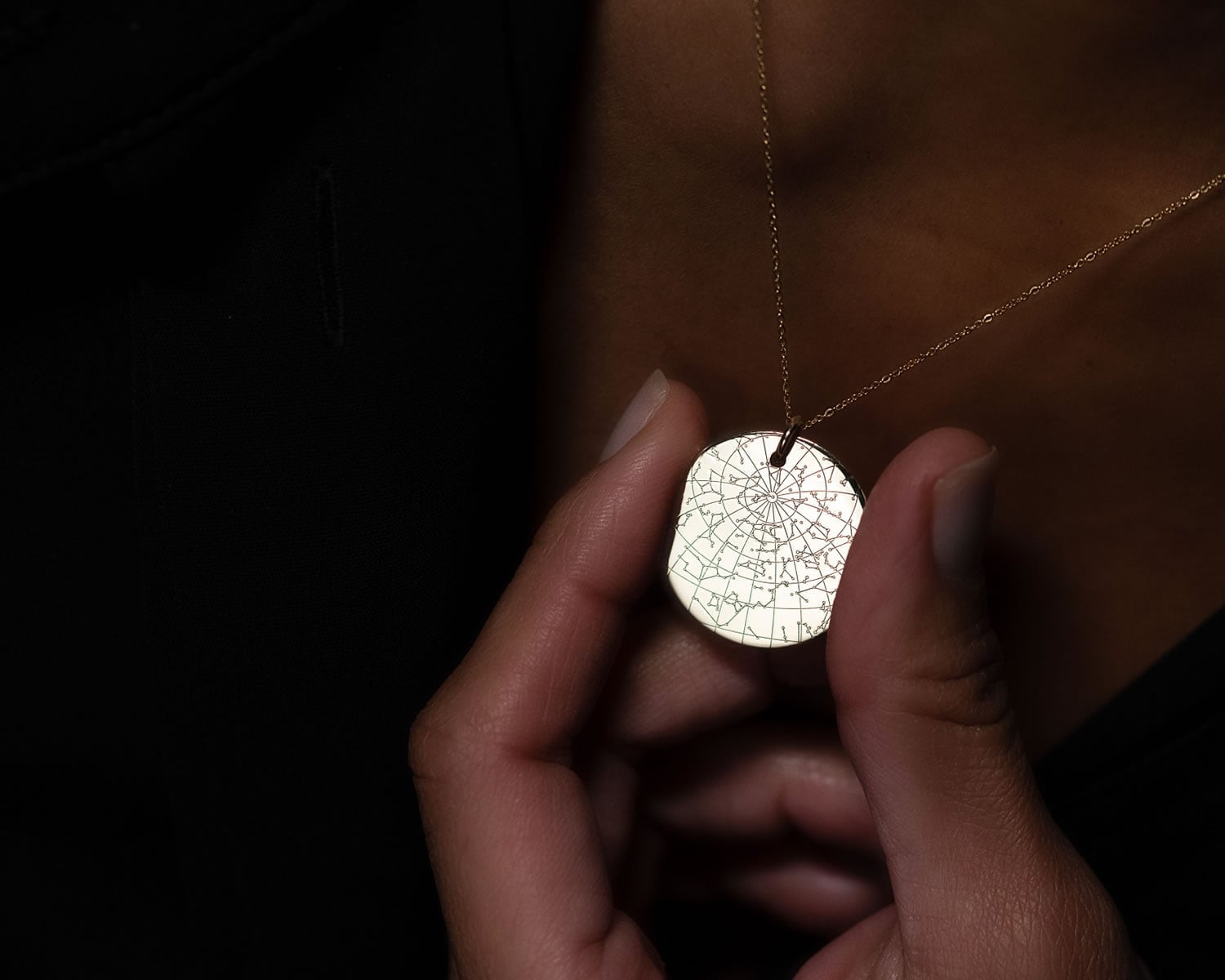
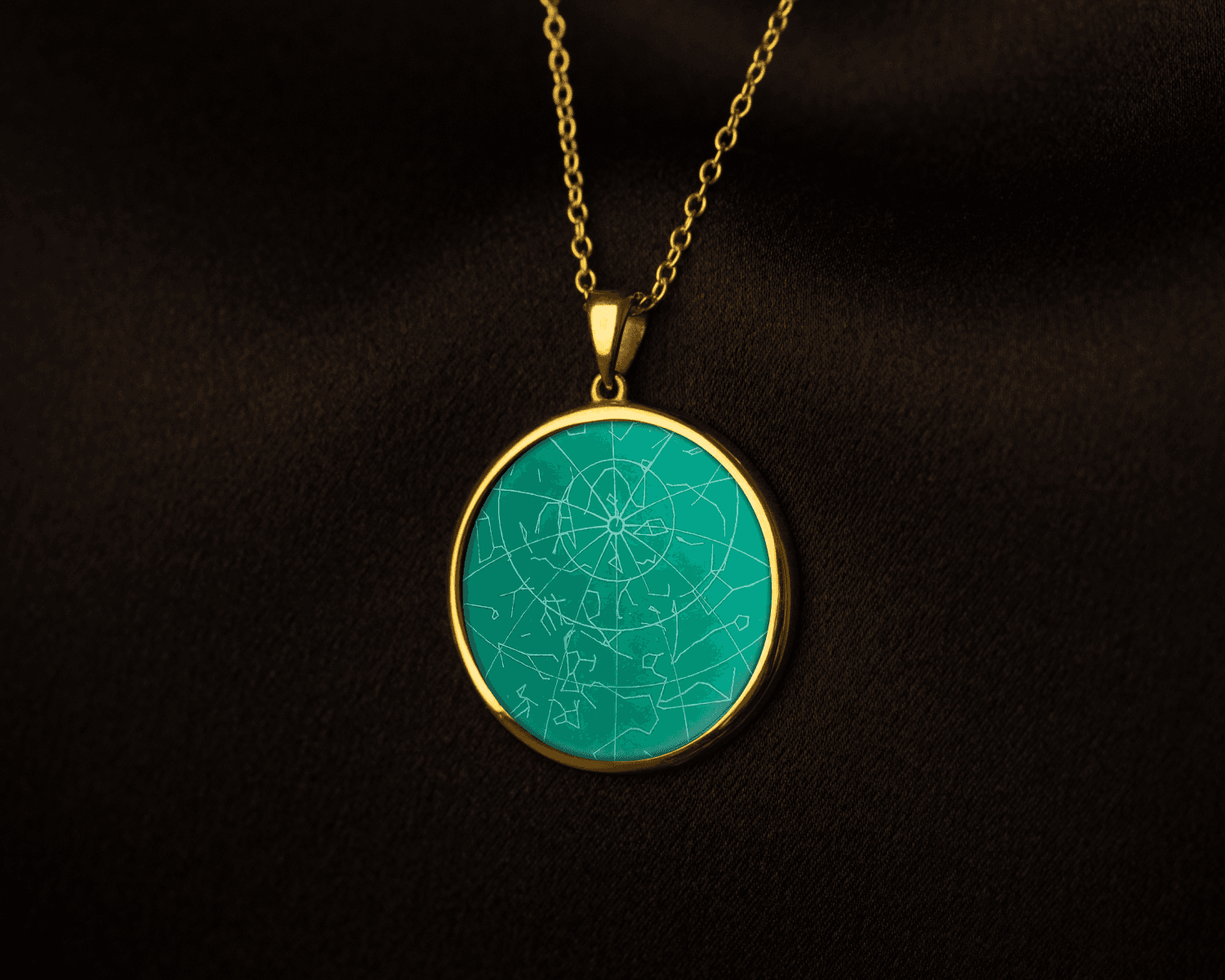
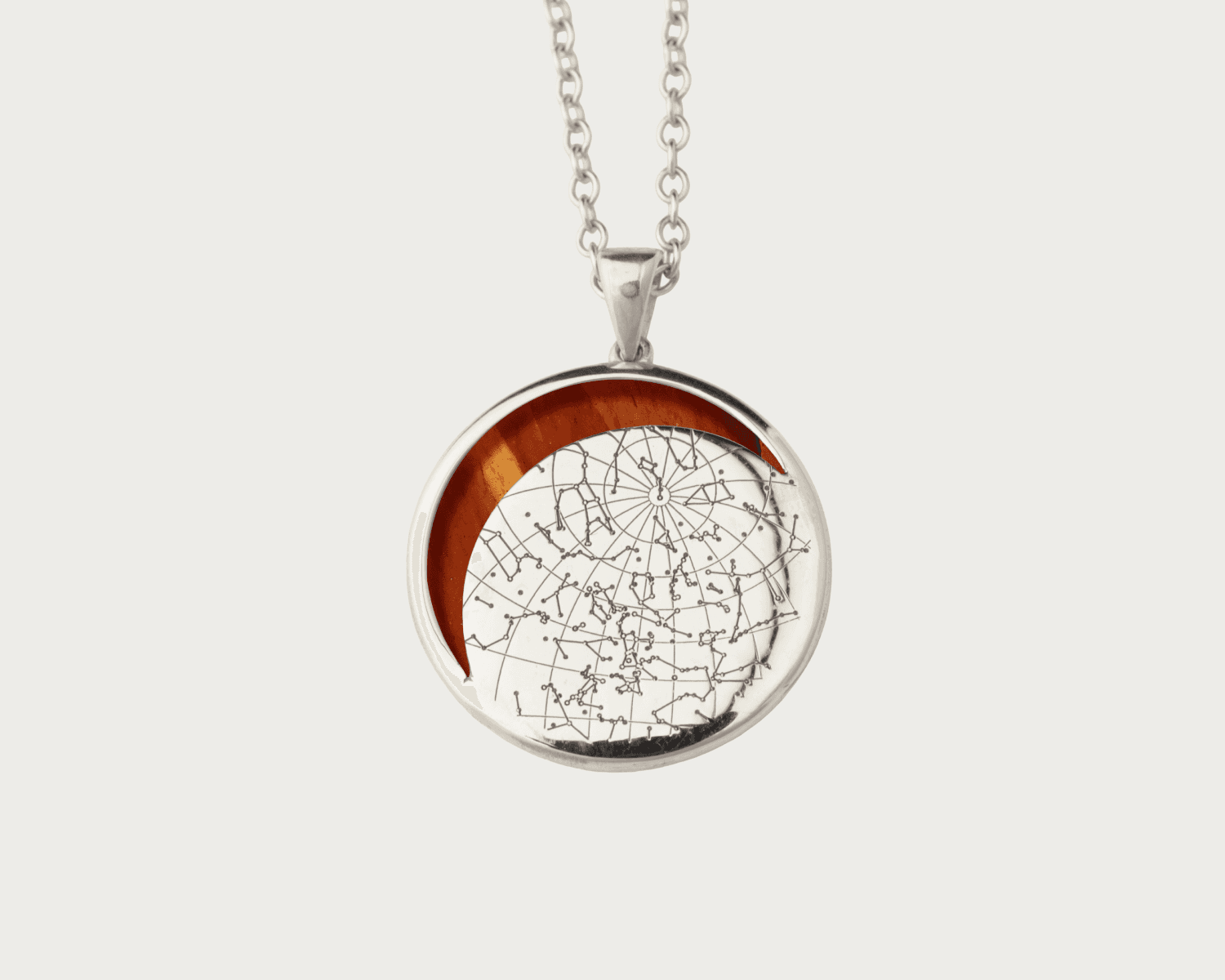
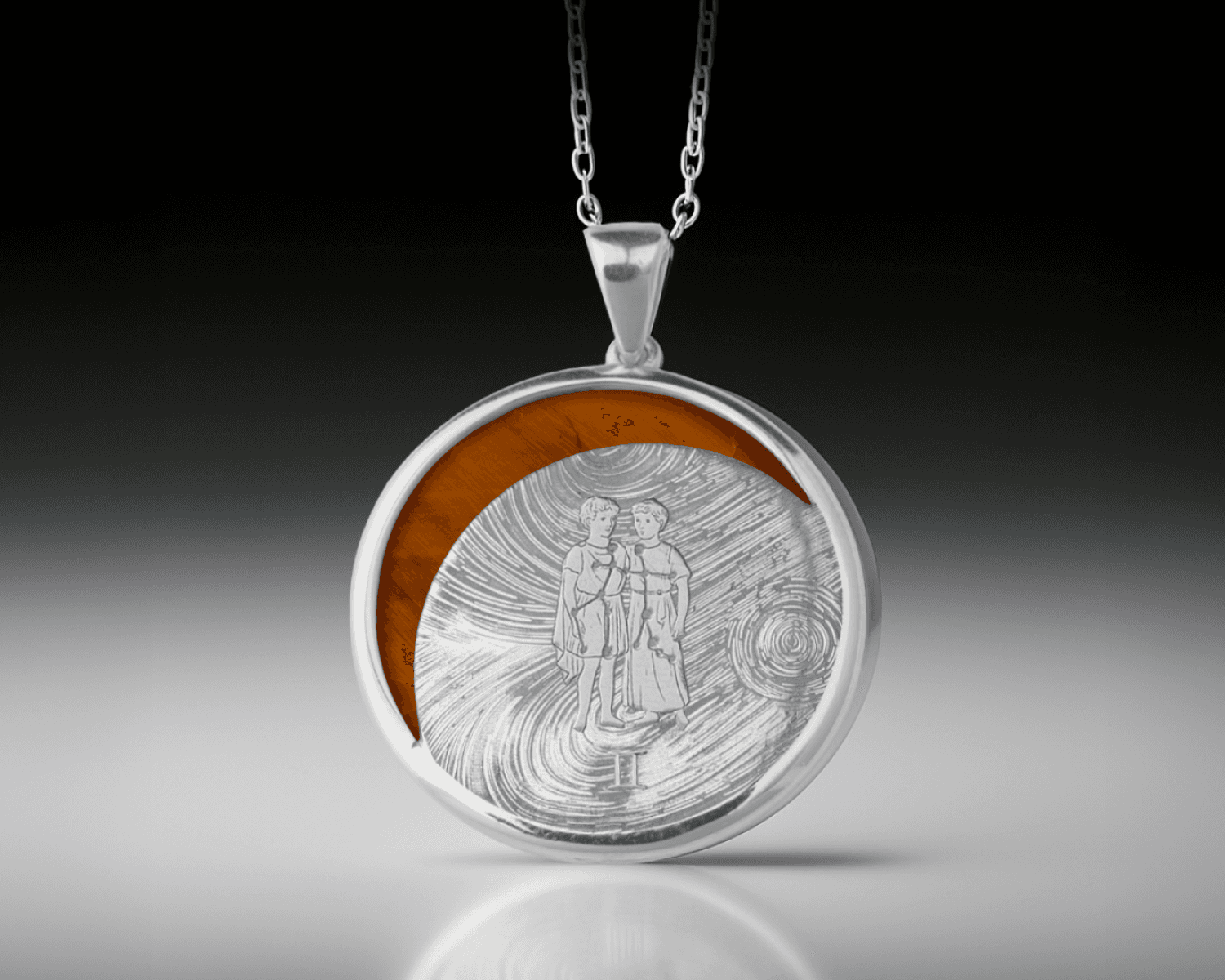
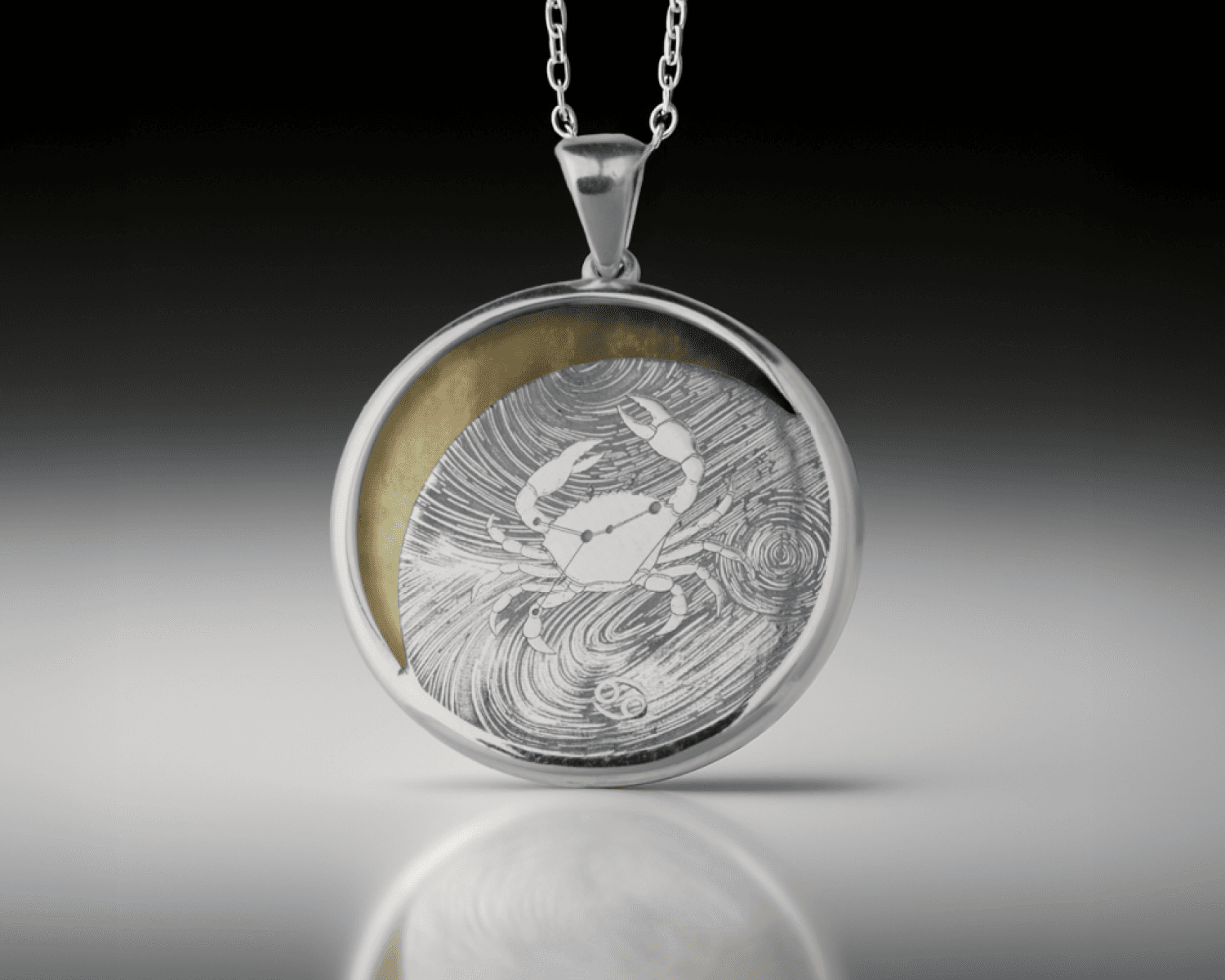
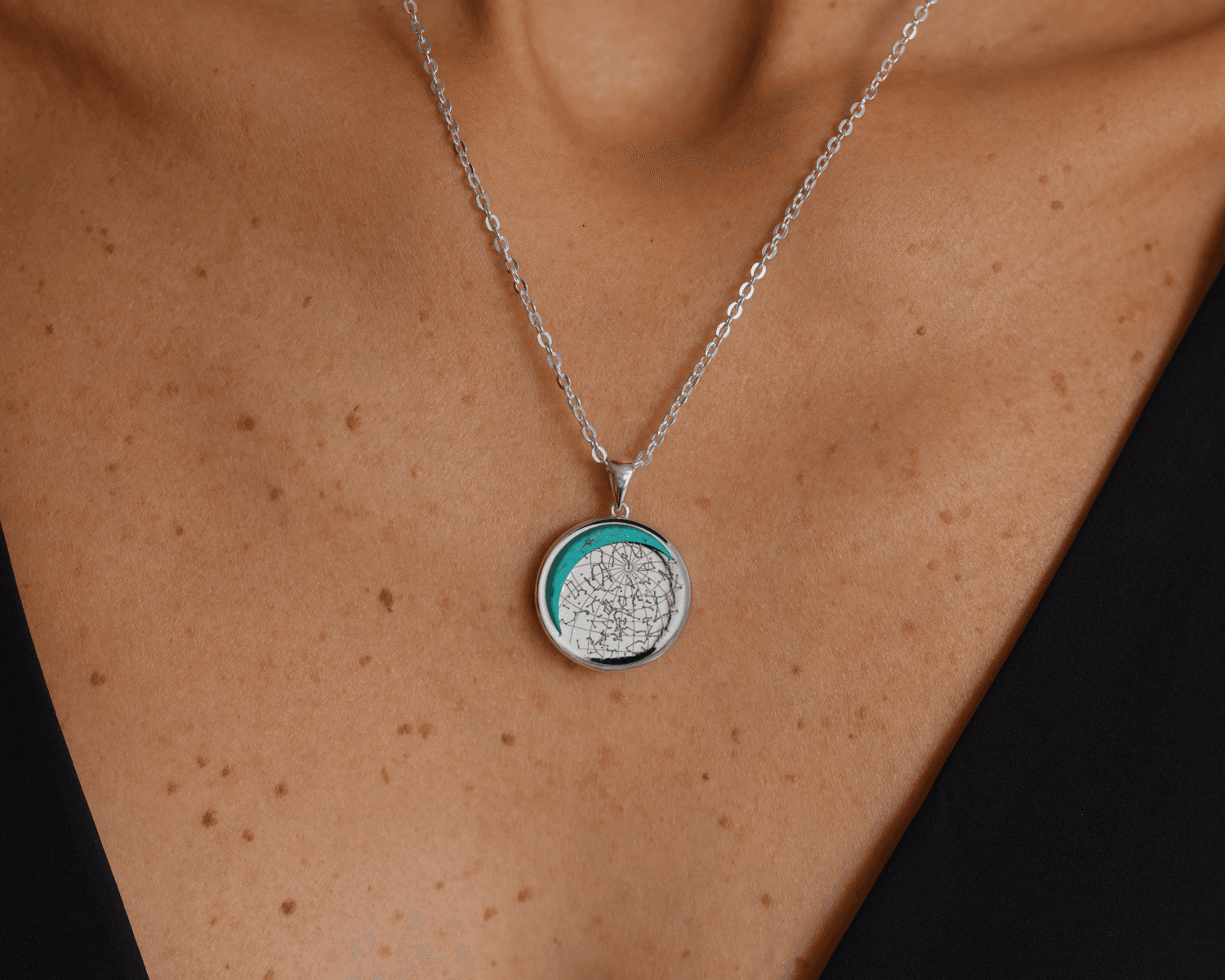
At The Night Sky, we set natural turquoise in our patented Eclipse Bezel: a crescent moon cut-out that reveals the vivid blue-green of the gemstone beneath, while the face of the piece is engraved with a real star map or zodiac constellation of your choosing. It is the world's oldest gemstone paired with a moment that is uniquely yours, the night you were born, the day you met, or a date that changed everything.
Our pieces are crafted in sterling silver and 18k gold vermeil using recycled metals. Turquoise looks striking against both finishes, its rich blue creating a bold, natural contrast.
"Such a beautiful product. It was my husband's first Father's Day present from our daughter, of the night sky from the night she was born. He wears it every day and it brings up all immense joy." - Trustpilot Review
Explore our full turquoise jewellery collection, or browse our wider crystal jewellery range to find the stone that speaks to you.
Is Turquoise a Birthstone?
Turquoise is the traditional birthstone for December. It is not an alternative or secondary option; it is the original December birthstone, recognised long before tanzanite or blue zircon were added to the modern list. If you were born in December, turquoise is your stone, carrying millennia of meaning and protection.
Discover our birthstone necklace collection to find a piece that pairs your birth month with the power of natural crystal.
Frequently Asked Questions
What does turquoise mean spiritually?
Spiritually, turquoise is a stone of balance, protection, and honest communication. It resonates with the throat chakra and is believed to support self-expression, inner calm, and a deeper connection to the natural and spiritual worlds. It has been used in prayer and meditation across cultures for thousands of years, from Tibetan monks to Native American healers.
What are the healing properties of turquoise?
Turquoise is associated with throat and respiratory health, immune support, emotional stability, and spiritual grounding. Practitioners link it to calmer moods, clearer communication, and relief from anxiety. It is considered a deeply protective stone that shields against negativity while promoting overall well-being.
Is turquoise a protective stone?
Yes. Turquoise is one of the most widely recognised protective stones in the world. Across Persian, Native American, Tibetan, and Egyptian traditions, it was worn as a talisman against harm, misfortune, and negative energy. This protective reputation has remained consistent for thousands of years and is central to turquoise meaning today.
What chakra is turquoise associated with?
Turquoise is primarily associated with the throat chakra, the energy centre that governs communication, self-expression, and the ability to speak your truth. Wearing turquoise near the throat is believed to clear energetic blocks in this area, supporting confident, honest, and compassionate communication.
Can turquoise change colour?
Yes, turquoise can change colour over time. Because it is a porous stone, it can absorb oils, moisture, and chemicals from the skin or environment, which may cause it to shift slightly in hue. In Persian tradition, this colour change was interpreted as the stone warning its wearer of danger. To preserve your turquoise's original colour, keep it away from water, chemicals, and prolonged sunlight.